Hazardous air pollutants (HAPs), usually referred to as air toxics, present a serious threat to both human health and the environment.
Air Toxics’ Effects on Health
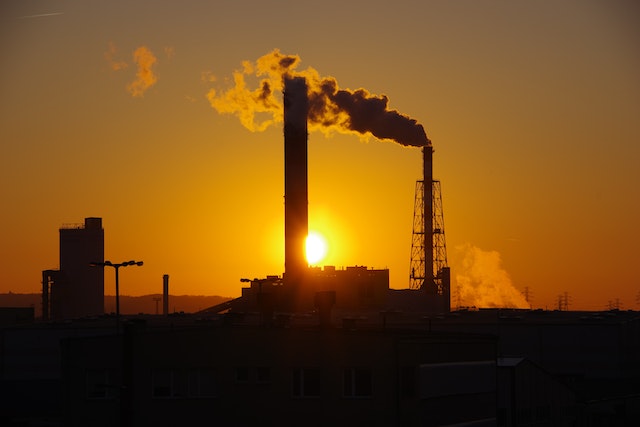
Air toxic exposure can have major health consequences, including cancer and non-cancer conditions such as birth deformities, neurological system damage, respiratory disorders, and immune system damage.
Routes of Exposure
Routes of exposure are the various ways that a person could be exposed to potentially dangerous substances, including air toxins. The three main exposure pathways are cutaneous absorption, ingestion, and inhalation.
- Absorption: When anything is consumed through the mouth, such as when eating or drinking tainted food or water, it is referred to as ingestion. For harmful compounds that are not readily digested or eliminated, this route of exposure is especially problematic since they can build up in the body over time and result in health issues.
- Ingestion: When a drug is absorbed via the skin, either directly or through touching contaminated objects, this is known as dermal absorption. People who work with chemicals or other hazardous compounds, as well as those who reside in locations with high levels of environmental contamination, should pay particular attention to this route of exposure.
- Inhalation: The act of breathing in gases or airborne particles is referred to as inhalation. For air toxics, which can enter the body through the respiratory system and cause respiratory disorders as well as other health concerns including heart disease and cancer, this route of exposure is especially worrisome.
Risk Factors for Health
The consequences of exposure to a poisonous substance are influenced by a number of variables, including the concentration, length of exposure, and toxicity of the substance.
Environmental Impacts of Air Toxics
In the environment, air toxics can disperse and change into other toxic substances. They can either dry deposition onto soil or water, or wet deposition into soils, lakes, and rivers.
When toxic substances accumulate in soil or surface waters, they can be absorbed by plants, consumed by animals, and amplified up the food chain, posing health risks to both people and animals.
It is crucial to take action to reduce exposure to air toxics, which includes controlling industrial facility and transportation source emissions, monitoring air quality, and raising public knowledge of the dangers posed by air toxics. Together, we can combat the negative consequences of air toxics on the ecosystem and our health.